EV chargers compared – the best wallboxes for solar and smart charging
A wallbox is more than a socket on the wall. To charge your car on surplus solar or in the cheapest hours of a dynamic tariff, it has to be controllable from outside. We compared 28 popular home chargers on price, phase switching, connectivity and OCPP, and show which ones work with Zerofy natively or through the open OCPP standard.
Compare chargers What to look forHow Zerofy connects to your charger
Zerofy runs in the cloud, so there is no energy manager box to install. It talks to your charger in one of two ways. A third group of chargers cannot be steered from outside at all.
Native integration
The brand has its own entry in the Zerofy app. Easee, go-e and Zaptec connect through the manufacturer's cloud API, so you just log in with your account. Wallbox, Fronius Wattpilot, Huawei SCharger and BENY connect via OCPP, and the app shows you the exact settings for your charger.
Cloud API: Easee, go-e, Zaptec · OCPP: Wallbox, Fronius Wattpilot, Huawei SCharger, BENY
Show native chargersAny charger with OCPP
If your charger speaks OCPP 1.6J and lets you (or your installer) enter your own backend address, you can add it as a generic OCPP charger. Zerofy then starts and stops charging and sets the charging current, just like with a native integration.
Alfen, ABB, KEBA, Elli, MENNEKES, Sungrow, SolaX, Autel, myenergi and many more
Show OCPP chargersClosed systems
Some popular chargers have neither an open cloud API nor an OCPP backend you can change. They may still charge on solar within their own manufacturer's ecosystem, but no independent energy manager can steer them.
Tesla Wall Connector, Ohme, Heidelberg Energy Control and others
Show closed chargersWhat is OCPP?
OCPP (Open Charge Point Protocol) is an open standard from the Open Charge Alliance that lets a charger talk to a central management system, the so-called backend or CSMS. Public charging networks have used it for years, and most modern home wallboxes support it too, usually as version 1.6J and increasingly 2.0.1.
The charger opens the connection itself, so there is no port forwarding or local network setup. Through OCPP, the backend can start and stop sessions, set the charging current and read meter values.
Connecting an OCPP charger to Zerofy
- In the Zerofy app, add an EV charger, pick your brand or the generic OCPP charger, and copy the OCPP address shown.
- Open your charger's app or web interface (sometimes the installer menu) and paste the address as the OCPP server or backend URL.
- The charger reconnects within a few minutes and appears in Zerofy, ready for Autopilot.
Most chargers accept only one OCPP backend at a time. If your employer or a charging card provider already manages your wallbox via OCPP, check with them before switching. Some manufacturers also limit their own app while OCPP is active.
Six things a wallbox needs for solar and smart charging
For simple overnight charging almost any wallbox will do. To follow your solar production or a dynamic electricity price, these features make the difference.
An open interface
An energy manager has to be able to control the charger. That works through a cloud API, through OCPP with a backend address you can change, or locally via Modbus or EEBus. Chargers without any network connection can only be switched on and off with an external contactor.
Tip: Check that OCPP is available on the home model, not only the business version, and that you can enter your own backend.
Adjustable charging current
Solar surplus changes from minute to minute. A good wallbox adjusts the charging current in steps of 1 A between 6 A and 16 A or 32 A, so charging can follow the sun instead of just switching on and off.
Tip: Make sure the current can be changed during a session, not only set once at installation.
1/3-phase switching
Cars need at least 6 A to charge. On three phases that is about 4.1 kW, so a three-phase-only charger needs more than 4 kW of surplus before it can start. Switching to one phase lowers the threshold to about 1.4 kW, which makes a big difference in spring, autumn and winter.
Tip: Especially useful with smaller solar systems. Zerofy switches phases on Easee, go-e and Zaptec.
11 kW is usually enough
Most electric cars charge on AC with at most 11 kW, and only a few accept 22 kW. An 11 kW wallbox fills a typical battery overnight, and in several countries 22 kW needs approval from the grid operator.
Tip: Buy 22 kW only if your car supports it and your grid connection allows it.
Calibrated meter (MID)
A MID-certified meter records exactly how much energy went into the car. That matters if your employer reimburses home charging of a company car, or for emission credits (ERE) in the Netherlands. Billing third parties in Germany needs an Eichrecht-compliant charger, which is stricter than MID.
Tip: For a private car, the charger's own meter and the charging history in Zerofy are enough.
Safe installation
Every wallbox needs a residual current device. Chargers with built-in 6 mA DC fault detection only need a standard type A RCD instead of a much more expensive type B. Always have a qualified electrician install the charger and notify the grid operator.
Tip: In Belgium and Norway many homes have a 3×230 V grid without neutral. Check that the charger supports it.
28 home EV chargers compared
Chargers with a native Zerofy integration come first, followed by popular wallboxes that work with Zerofy through OCPP and a few closed systems. Filter by connection type or search by name.
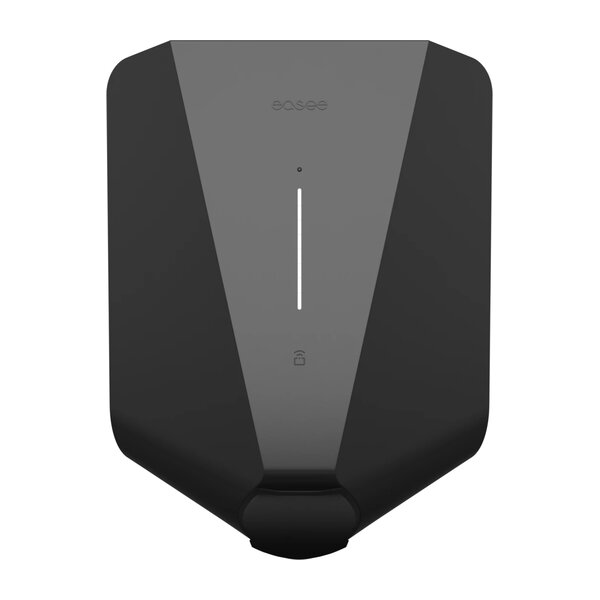
Easee Charge Max
from €595
The Norwegian bestseller in its 2026 EU version: a compact 22 kW box with built-in LTE, so it stays online without Wi-Fi, plus a MID meter and an Eichrecht variant. It also works on 3×230 V IT grids. Zerofy logs in to your Easee account and controls the charging current through the Easee cloud. Its predecessor Charge Up leaves the EU market at the end of 2026 and is supported in exactly the same way.
- Zerofy connection
- Cloud API – log in with your manufacturer account
- Power
- 7.4 / 22 kW
- Phase switching
- Built-in 1/3-phase switching
- Connectivity
- Wi-Fi, 4G
- OCPP
- 1.6J (via Easee cloud)
- Energy meter
- MID, Eichrecht variant available
- Sold in
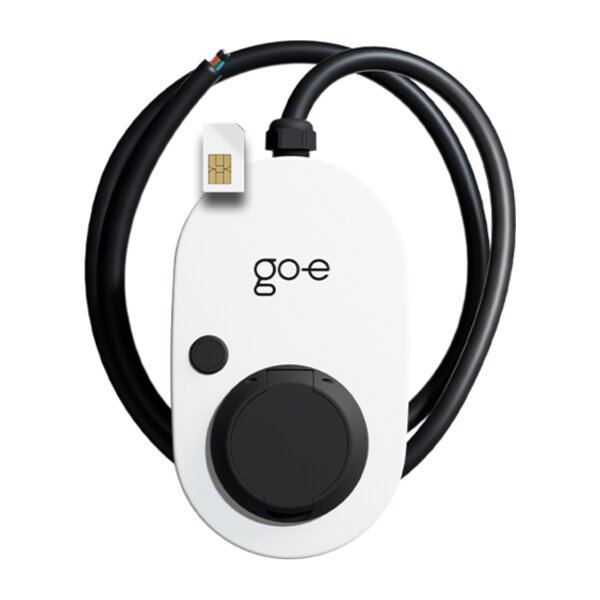
go-e Charger Gemini 2.0
from €640
One of the most open home chargers on the market, from Austria. It has documented local and cloud APIs, MQTT, Modbus TCP and a freely configurable OCPP backend, and an eSIM keeps it online without Wi-Fi. Zerofy uses the go-e cloud API and switches between one and three phases for solar charging. According to the data sheet it is not approved for the Netherlands, France or Italy.
- Zerofy connection
- Cloud API – log in with your manufacturer account
- Power
- 11 / 22 kW
- Phase switching
- Built-in 1/3-phase switching
- Connectivity
- Wi-Fi, 4G
- OCPP
- 1.6J
- Energy meter
- Internal meter, not MID
- Sold in
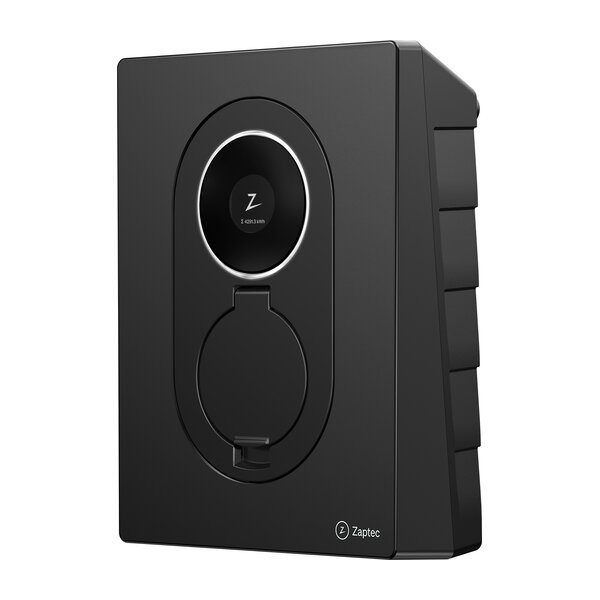
Zaptec Go 2
from €739
Very compact 22 kW charger from Norway with a MID meter, free built-in 4G and automatic phase switching. Like Easee, it also runs on 3×230 V IT grids. Zerofy connects through your Zaptec account. To let Zerofy adjust current and phases, the installation owner must have the matching permissions in the Zaptec portal; without them Zerofy can only start and stop charging.
- Zerofy connection
- Cloud API – log in with your manufacturer account
- Power
- 7.4 / 22 kW
- Phase switching
- Built-in 1/3-phase switching
- Connectivity
- Wi-Fi, 4G
- OCPP
- 1.6J
- Energy meter
- MID-certified
- Sold in
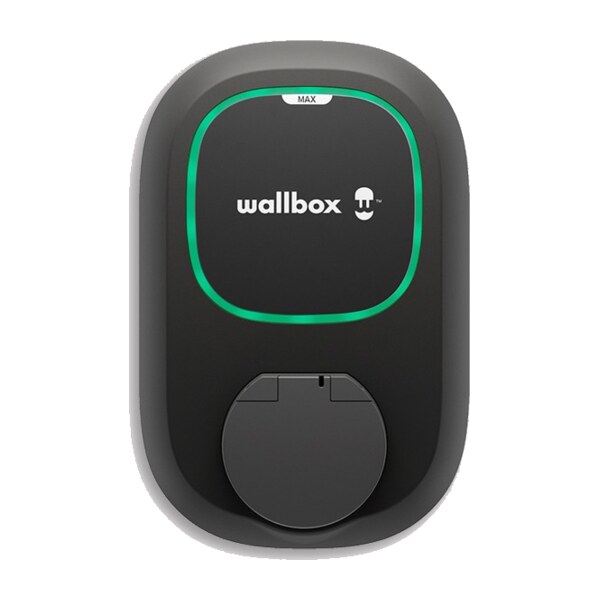
Wallbox Pulsar Max
from €649
The small Spanish charger is one of Europe's most widely sold wallboxes, as a tethered or socket version. In Germany, Austria and Switzerland it is also sold as ABL Pulsar, and a new generation with Ethernet arrives in November 2026. OCPP is free and set up in the myWallbox app; Zerofy shows you the exact values to enter. Wallbox's own solar mode switches off while OCPP is active, so Zerofy takes over solar charging.
- Zerofy connection
- OCPP 1.6J – own entry in the Zerofy app with step-by-step setup
- Power
- 7.4 / 11 / 22 kW
- Phase switching
- Only with extra hardware or licence – Wallbox solar mode with power meter only
- Connectivity
- Wi-Fi, Bluetooth
- OCPP
- 1.6J
- Energy meter
- Internal meter, not MID
- Sold in
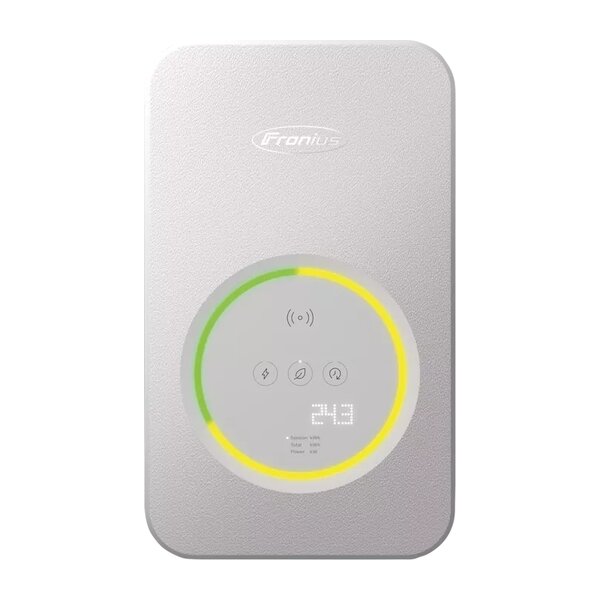
Fronius Wattpilot Flex Home
from €963
Built by the Austrian inverter maker for solar charging, with true automatic 1/3-phase switching and surplus charging from 1.4 kW. It has LAN and Wi-Fi, a §14a input, and a Pro version with MID and Eichrecht for company cars. Fronius was the first OCPP charger in Zerofy; you enter the address in the Solar.wattpilot app. It is more expensive than most and mainly sold through installers.
- Zerofy connection
- OCPP 1.6J – own entry in the Zerofy app with step-by-step setup
- Power
- 11 / 22 kW
- Phase switching
- Built-in 1/3-phase switching
- Connectivity
- Wi-Fi, LAN
- OCPP
- 1.6J
- Energy meter
- MID only in some variants
- Sold in
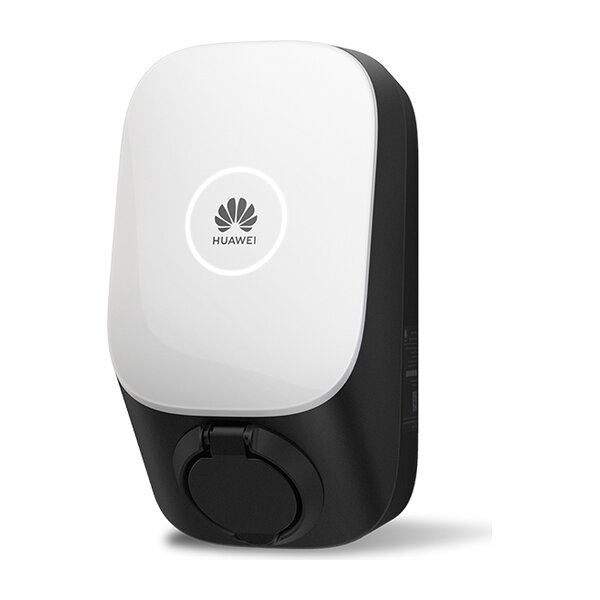
Huawei SCharger 7KS / 22KT
Sold through solar installers; prices vary widely
The natural choice for homes with a Huawei inverter, where it charges on solar surplus with automatic phase switching inside FusionSolar. OCPP has to be set in installer mode of the Fusion app, so many owners need their installer for the one-time setup. Zerofy's setup guide lists every field. The charger needs firmware SPC220 or later.
- Zerofy connection
- OCPP 1.6J – own entry in the Zerofy app with step-by-step setup
- Power
- 7.4 / 22 kW
- Phase switching
- Built-in 1/3-phase switching
- Connectivity
- Wi-Fi, LAN, Bluetooth
- OCPP
- 1.6J
- Energy meter
- Internal meter, not MID
- Sold in
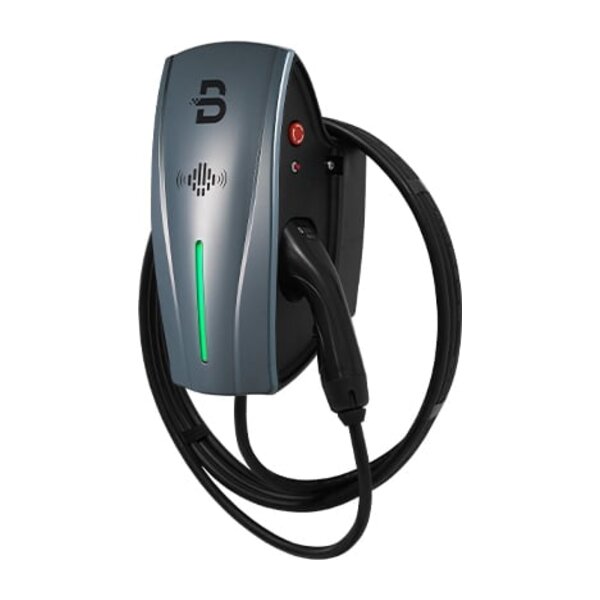
BENY BCP smart wallbox
Sold through regional importers; prices vary
Low-cost wallbox from the Chinese maker BENY with open OCPP 1.6J, Wi-Fi, Bluetooth and an optional load-balancing kit. It is sold mainly through regional importers and installers, so availability and support depend on your local partner. Zerofy has a dedicated BENY entry in the app, which connects via OCPP.
- Zerofy connection
- OCPP 1.6J – own entry in the Zerofy app with step-by-step setup
- Power
- 7.4 / 22 kW
- Phase switching
- Not documented
- Connectivity
- Wi-Fi, Bluetooth
- OCPP
- 1.6J
- Energy meter
- Internal meter, not MID
- Sold in
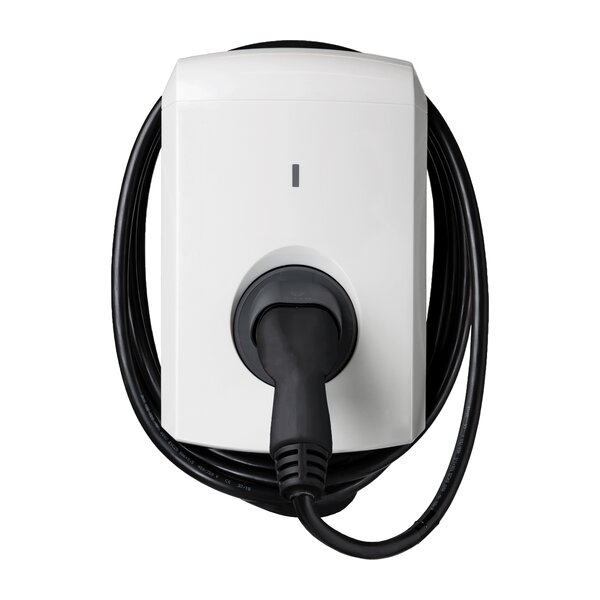
Alfen Eve Single S-line
from €789
The Dutch classic, found on countless driveways in the Netherlands and Belgium. It is robust, MID-certified, has a P1 port and speaks OCPP 1.6J and 2.0.1. Your installer can set any backend address with Alfen's service tool. Phase switching, solar charging and Modbus need a paid licence, but Zerofy steers the current over OCPP without it.
- Zerofy connection
- OCPP 1.6J – backend set by your installer
- Power
- 3.7–22 kW
- Phase switching
- Only with extra hardware or licence – needs paid Active Load Balancing licence
- Connectivity
- Wi-Fi, LAN, 4G
- OCPP
- 1.6J, 2.0.1
- Energy meter
- MID-certified
- Sold in
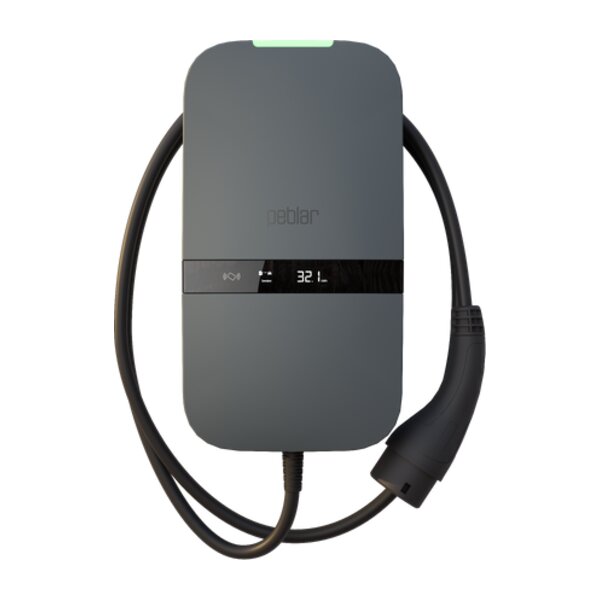
Peblar Home
from €619
Stylish Dutch charger with a display, a local REST and Modbus API and built-in solar charging with a HomeWizard P1 meter, no cloud account needed. In OCPP mode the backend is picked from Peblar's preset list, not typed in freely, so check that Zerofy is listed or ask Peblar support. Only the Home Plus has a MID meter and 4G.
- Zerofy connection
- OCPP – backend only from the maker's list
- Power
- 11 kW (Home Plus 22 kW)
- Phase switching
- Built-in 1/3-phase switching
- Connectivity
- Wi-Fi, LAN
- OCPP
- 1.6J
- Energy meter
- MID only in some variants
- Sold in
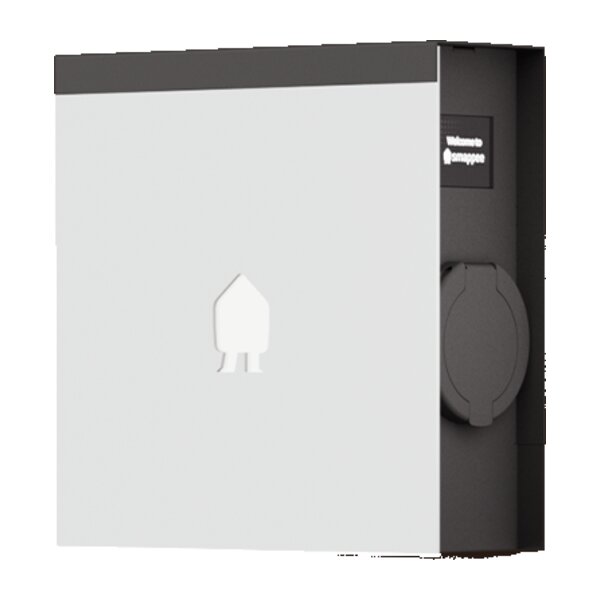
Smappee EV Wall
from €899
Belgian wallbox with strong energy management, a built-in residual current device, MID meter and 4G. Solar and load-balancing features are tied to the Smappee cloud and a paid plan. An external OCPP backend is set in the Smappee dashboard, but Smappee has to whitelist the address first.
- Zerofy connection
- OCPP – backend only from the maker's list
- Power
- 7.4 / 22 kW
- Phase switching
- Built-in 1/3-phase switching
- Connectivity
- LAN, 4G
- OCPP
- 1.6J
- Energy meter
- MID, Eichrecht variant available
- Sold in
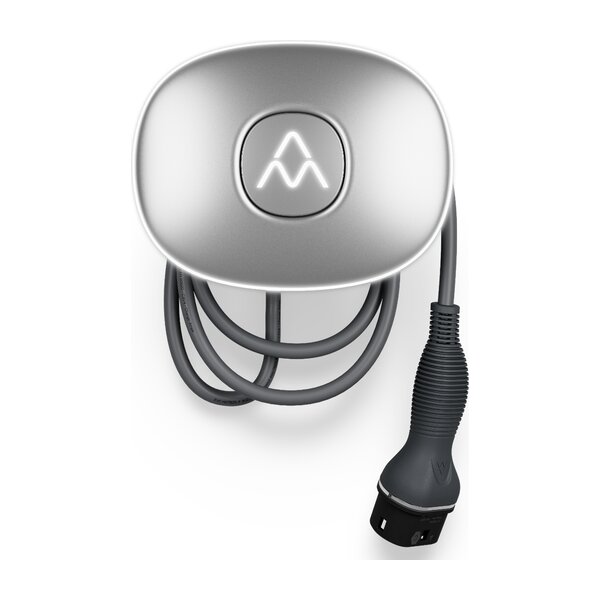
Charge Amps Halo
from €575
Small Swedish charger in recycled aluminium, rated IP66, with the cable wrapped around the housing. On the OCPP models you can enter any backend address on the charger's local web page. Charge Amps' own green charging needs the extra Amp Guard, and there is no phase switching.
- Zerofy connection
- OCPP 1.6J – enter the Zerofy address in the charger app
- Power
- 3.7 / 7.4 / 11 kW
- Phase switching
- No, fixed phases
- Connectivity
- Wi-Fi, LAN
- OCPP
- 1.6J
- Energy meter
- Internal meter, not MID
- Sold in
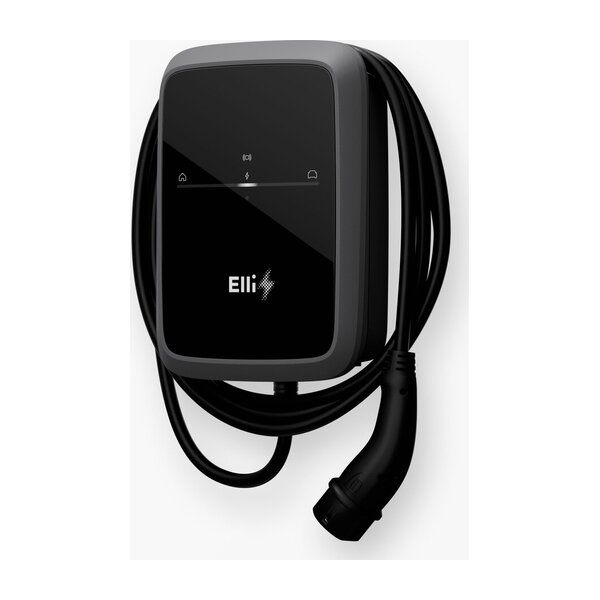
Elli Charger Connect 2 / Pro 2
from €759
The Volkswagen Group wallbox, also sold as ID. Charger. Since the October 2025 firmware it is surprisingly open, with phase switching, EEBus, Modbus TCP, a §14a input and a third-party OCPP backend on both Connect 2 and Pro 2. The backend must use TLS with a password (security profile 2), and the Elli app features stop working once you switch.
- Zerofy connection
- OCPP 1.6J – enter the Zerofy address in the charger app
- Power
- 11 / 22 kW
- Phase switching
- Built-in 1/3-phase switching
- Connectivity
- Wi-Fi, LAN
- OCPP
- 1.6J, 2.0.1
- Energy meter
- MID only in some variants
- Sold in
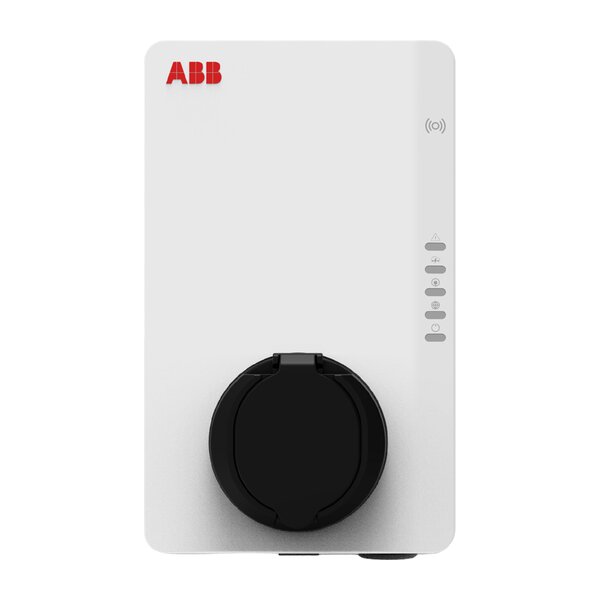
ABB Terra AC Wallbox
from €699
Widely installed and very robust (IP55, IK10), with an unusually broad set of interfaces: OCPP, Modbus RTU and TCP, and 4G as an option. The OCPP backend is changed in the installer app TerraConfig, so ask your installer. There is no automatic phase switching and no built-in solar mode, which makes it a typical wallbox for an external energy manager.
- Zerofy connection
- OCPP 1.6J – backend set by your installer
- Power
- 11 / 22 kW
- Phase switching
- No, fixed phases
- Connectivity
- Wi-Fi, LAN, Bluetooth, 4G
- OCPP
- 1.6J
- Energy meter
- MID only in some variants
- Sold in
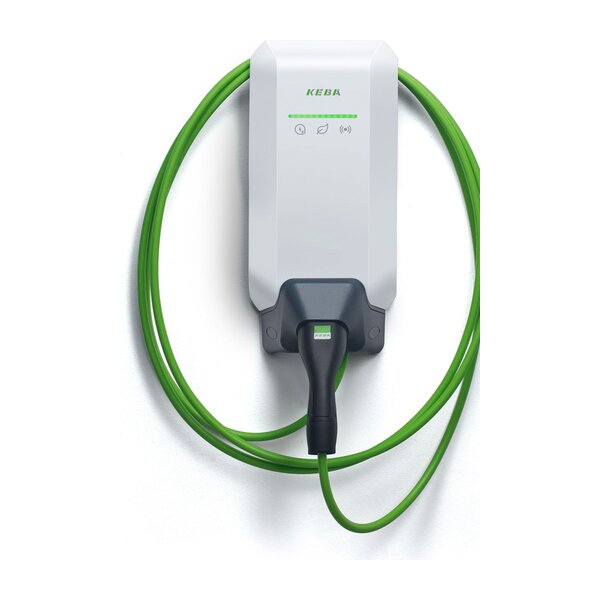
KEBA KeContact P40
from €1,009
Austrian premium wallbox with a built-in type A RCD and DC fault detection, so no separate RCD is needed. It has rich local interfaces (Modbus TCP, UDP, REST) and a freely configurable OCPP backend in the local web interface. Automatic phase switching came with firmware 1.3.0 but is missing on the Eichrecht company-car variant. It costs more than most competitors.
- Zerofy connection
- OCPP 1.6J – enter the Zerofy address in the charger app
- Power
- 7.4 / 11 kW (Pro 22 kW)
- Phase switching
- Built-in 1/3-phase switching
- Connectivity
- Wi-Fi, LAN, Bluetooth
- OCPP
- 1.6J
- Energy meter
- MID only in some variants
- Sold in
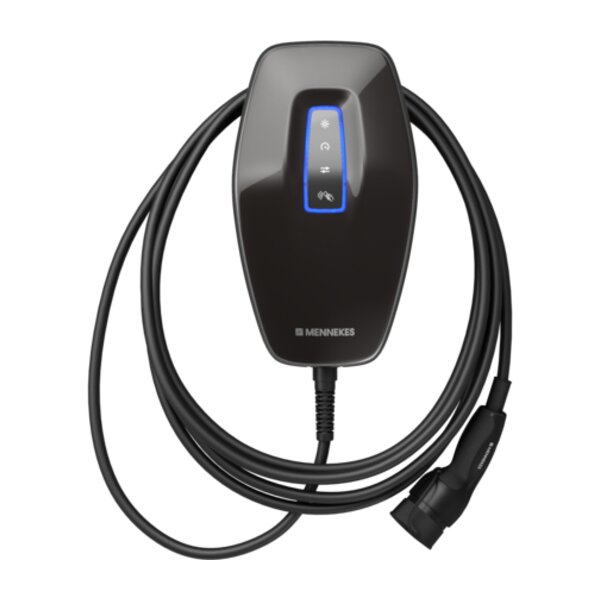
MENNEKES AMTRON 4You 500
from €930
German premium brand, the inventor of the Type 2 plug. Only the 500 series (4You 510 and 560) has OCPP; the 100 and 300 do not. The backend is set by the installer, and according to the data sheet it connects over LAN only. It also speaks Modbus TCP and EEBus, and the 560 adds a MID meter.
- Zerofy connection
- OCPP 1.6J – backend set by your installer
- Power
- 11 kW
- Phase switching
- Built-in 1/3-phase switching – in its own solar mode, not via OCPP
- Connectivity
- Wi-Fi, LAN
- OCPP
- 1.6J
- Energy meter
- MID only in some variants
- Sold in
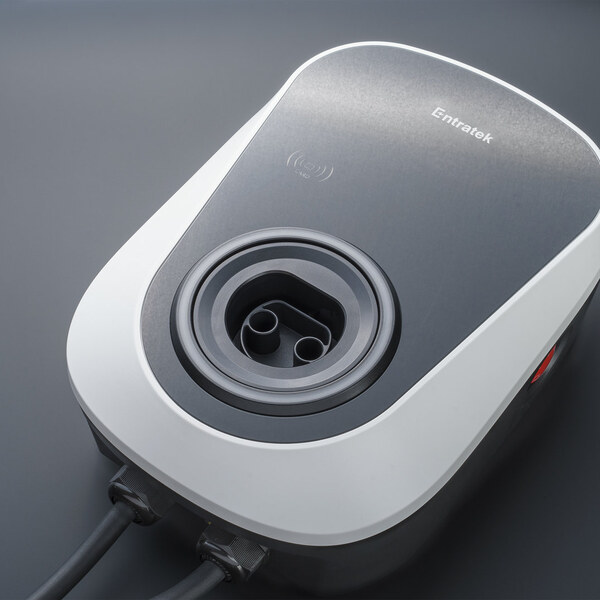
Entratek Power Dot Pro 2
from €499
Budget wallbox from Germany that clever-PV also recommends for surplus charging. You choose between the app version and the OCPP version: both at once is not possible, and converting later costs €79. Order the OCPP version if you want to use Zerofy. It was out of stock in the manufacturer's shop in October 2026.
- Zerofy connection
- OCPP 1.6J – enter the Zerofy address in the charger app
- Power
- 11 / 22 kW
- Phase switching
- No, fixed phases
- Connectivity
- Wi-Fi, Bluetooth
- OCPP
- 1.6J
- Energy meter
- Internal meter, not MID
- Sold in
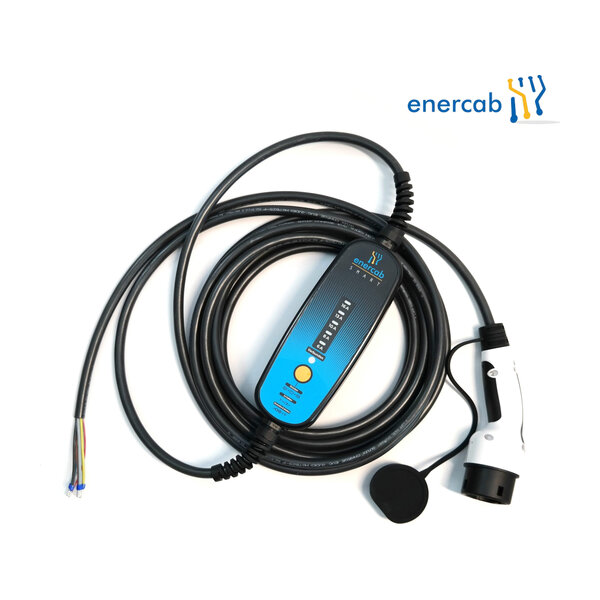
enercab smart
from €763 mobile version, 10 m cable
Austrian in-cable charger that can be plugged into a CEE socket or wired in permanently (FIX version), so it is not a classic wallbox. It switches between one and three phases, which makes it popular for surplus charging. Any OCPP server can be entered on its local Wi-Fi page; while OCPP is active, the enercab app cannot be used.
- Zerofy connection
- OCPP 1.6J – enter the Zerofy address in the charger app
- Power
- 11 kW
- Phase switching
- Built-in 1/3-phase switching – switchable via app or API
- Connectivity
- Wi-Fi
- OCPP
- 1.6
- Energy meter
- Internal meter, not MID
- Sold in
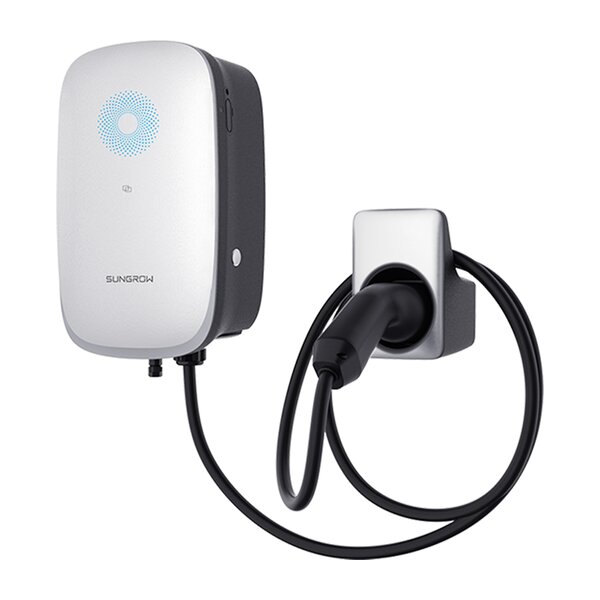
Sungrow AC22E-01
from €699
Wallbox from the inverter maker Sungrow with automatic phase switching and Wi-Fi, LAN and 4G. Its Eco mode needs a Sungrow hybrid inverter. On its own it works as a plain OCPP 1.6J wallbox, with the server address set in the iEnergyCharge app. In OCPP mode it must not also be linked to the inverter over RS485.
- Zerofy connection
- OCPP 1.6J – enter the Zerofy address in the charger app
- Power
- 7.4 / 11 / 22 kW
- Phase switching
- Built-in 1/3-phase switching
- Connectivity
- Wi-Fi, LAN, 4G
- OCPP
- 1.6J
- Energy meter
- MID only in some variants
- Sold in
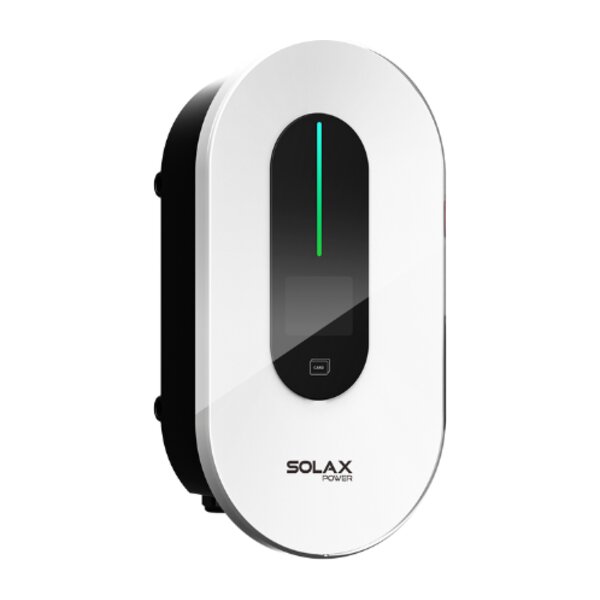
SolaX Smart EV Charger G2
from €679
Unusually open for an inverter brand's wallbox, with OCPP 1.6J, Modbus TCP and RTU, a cloud API and automatic phase switching. You choose between the Solar scene and the OCPP scene in the SolaXCloud app. In OCPP mode Zerofy takes over solar control.
- Zerofy connection
- OCPP 1.6J – enter the Zerofy address in the charger app
- Power
- 7.2 / 11 / 22 kW
- Phase switching
- Built-in 1/3-phase switching
- Connectivity
- Wi-Fi, LAN, 4G
- OCPP
- 1.6J
- Energy meter
- Internal meter, not MID
- Sold in
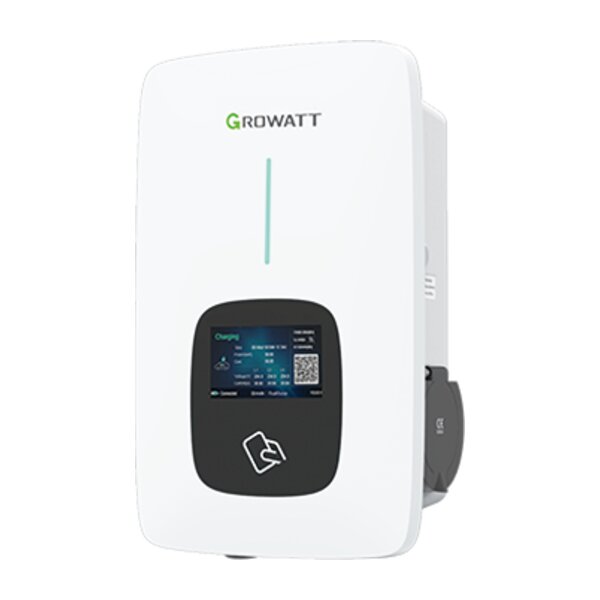
Growatt THOR 11AS / 22AS
from €645
Affordable wallbox from the inverter maker Growatt, with a display, RFID and an emergency stop. Any OCPP server can be set in the ShinePhone app, but the charger then disconnects from the Growatt app and cloud. Community reports describe its OCPP as less stable than other brands', and it has no phase switching.
- Zerofy connection
- OCPP 1.6J – enter the Zerofy address in the charger app
- Power
- 11 / 22 kW
- Phase switching
- No, fixed phases
- Connectivity
- Wi-Fi, LAN, 4G
- OCPP
- 1.6
- Energy meter
- MID only in some variants
- Sold in
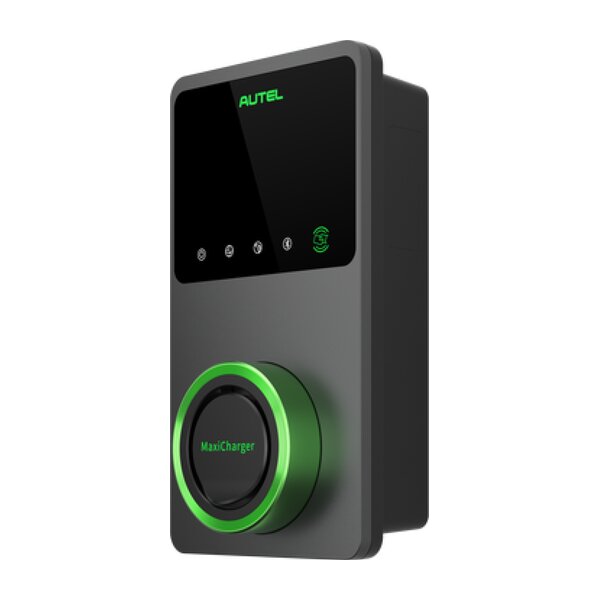
Autel MaxiCharger AC Wallbox
from €649
Rugged, commercial-grade wallbox (IP65, IK10) with an optional touchscreen and MID meter. In the Autel Charge app you pick a custom OCPP server and enter any address, which makes it an easy match for an independent energy manager. It has no phase switching.
- Zerofy connection
- OCPP 1.6J – enter the Zerofy address in the charger app
- Power
- 7.4 / 11 / 22 kW
- Phase switching
- No, fixed phases
- Connectivity
- Wi-Fi, LAN, Bluetooth, 4G
- OCPP
- 1.6J
- Energy meter
- MID only in some variants
- Sold in
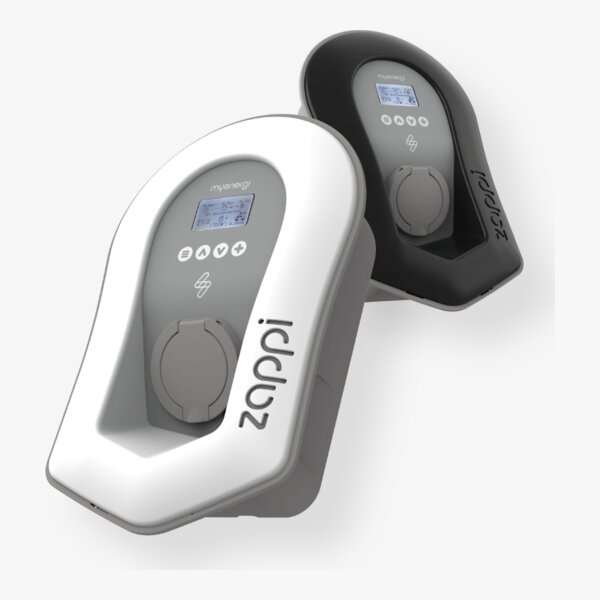
myenergi zappi
from €840
The original solar-diversion charger from the UK. Its clip-on current sensors let it charge from surplus PV without any inverter integration. You enter an OCPP backend in your myenergi account, and the myenergi cloud relays it, which works fine with Zerofy. Current changes are rate-limited to about every three minutes. It is pricier than most rivals.
- Zerofy connection
- OCPP 1.6J – set in your manufacturer account
- Power
- 7 / 22 kW
- Phase switching
- Built-in 1/3-phase switching
- Connectivity
- Wi-Fi, LAN
- OCPP
- 1.6J (via myenergi cloud)
- Energy meter
- Internal meter, not MID
- Sold in
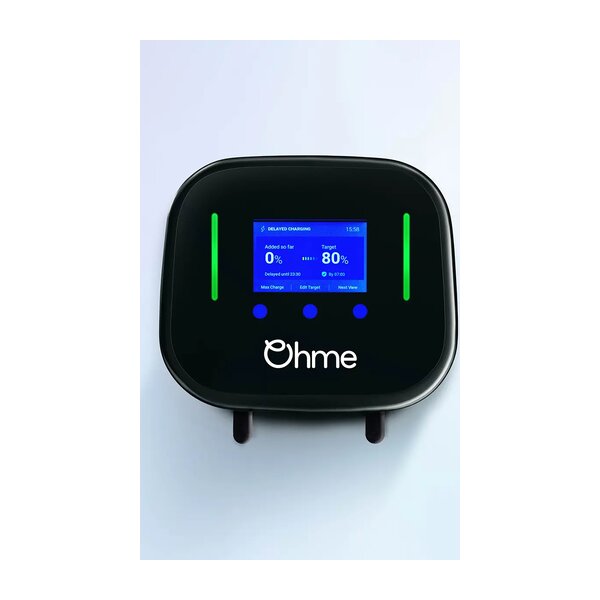
Ohme Home Pro
from €649
Popular British charger with a colour screen and strong dynamic-tariff and car integrations, now also sold in Germany and the Benelux. It is tied to the Ohme cloud through its own SIM, and an OCPP backend cannot be set by the owner. Smart charging therefore runs only through the Ohme app.
- Zerofy connection
- Not possible
- Power
- 11 kW (ePod 22 kW)
- Phase switching
- Not documented
- Connectivity
- 4G
- OCPP
- No
- Energy meter
- MID only in some variants
- Sold in
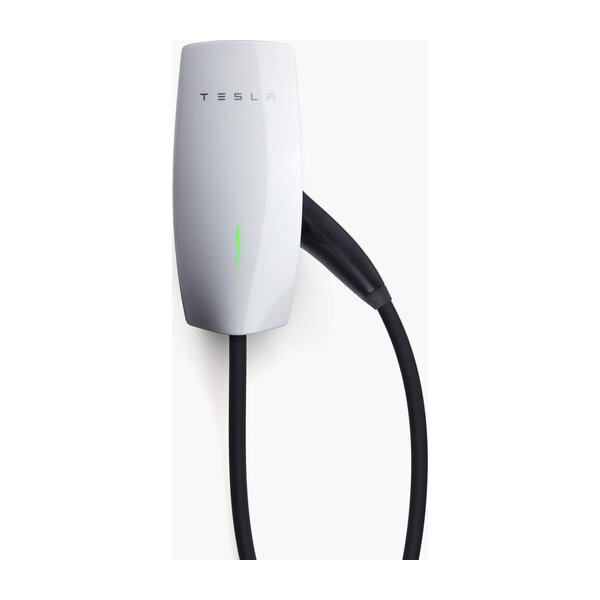
Tesla Wall Connector Gen 3
from €535
Cheap, well-built and compatible with every Type 2 car, but closed. OCPP is only available through Tesla's reimbursement programme with approved partners, and the local API is read-only. If you drive a Tesla, Zerofy can still steer charging through the car itself.
- Zerofy connection
- Not possible
- Power
- 7.4 / 11 / 22 kW
- Phase switching
- No, fixed phases
- Connectivity
- Wi-Fi
- OCPP
- No
- Energy meter
- MID only in some variants
- Sold in
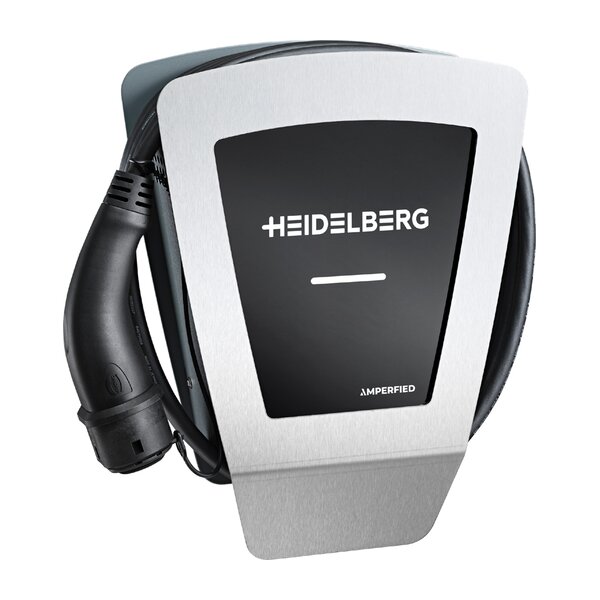
Heidelberg Energy Control Plus
from €419
The robust, inexpensive German classic without Wi-Fi, LAN or app. It can only be controlled locally via Modbus RTU over RS485, so a cloud energy manager would need a local gateway. It complies with §14a and supports static load management for up to 16 boxes. Amperfied's connect series is the networked alternative.
- Zerofy connection
- Not possible
- Power
- 11 kW
- Phase switching
- No, fixed phases
- Connectivity
- Modbus RTU only
- OCPP
- No
- Energy meter
- Internal meter, not MID
- Sold in
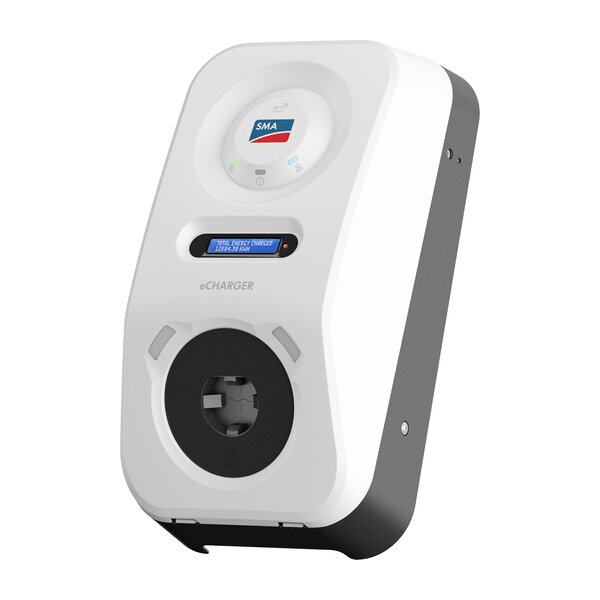
SMA eCharger
from €1,149
Made for SMA solar systems, with good automatic phase switching and a 5-year warranty. Its solar logic needs an SMA Sunny Home Manager 2.0. OCPP is not available yet: SMA has announced it for a firmware update at the end of 2026. Once it arrives, the eCharger should work with Zerofy like any other OCPP charger.
- Zerofy connection
- Not possible
- Power
- 22 kW
- Phase switching
- Built-in 1/3-phase switching
- Connectivity
- Wi-Fi, LAN
- OCPP
- No
- Energy meter
- Internal meter, not MID
- Sold in
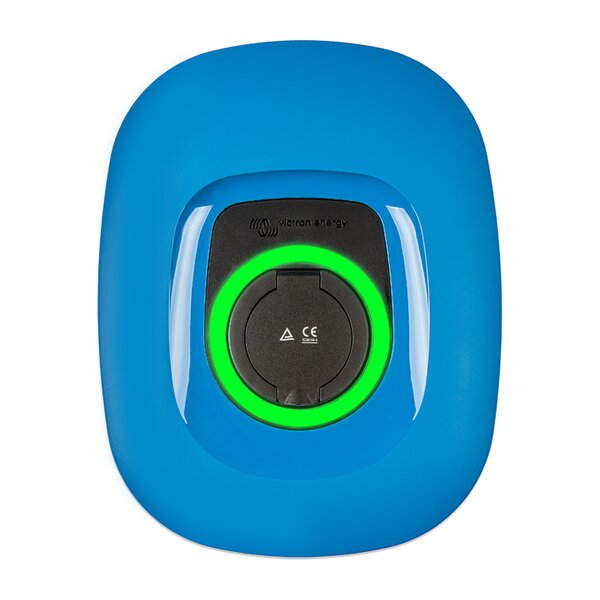
Victron Energy EV Charging Station NS
from €422
Inexpensive socket charger from the Netherlands, aimed at owners of a Victron ESS or off-grid system. Surplus charging works with a Victron GX device. It has an open Modbus TCP interface but no OCPP and no built-in DC fault detection, so budget for a type B RCD.
- Zerofy connection
- Not possible
- Power
- 7.3 / 22 kW
- Phase switching
- No, fixed phases
- Connectivity
- Wi-Fi, Bluetooth
- OCPP
- No
- Energy meter
- Internal meter, not MID
- Sold in
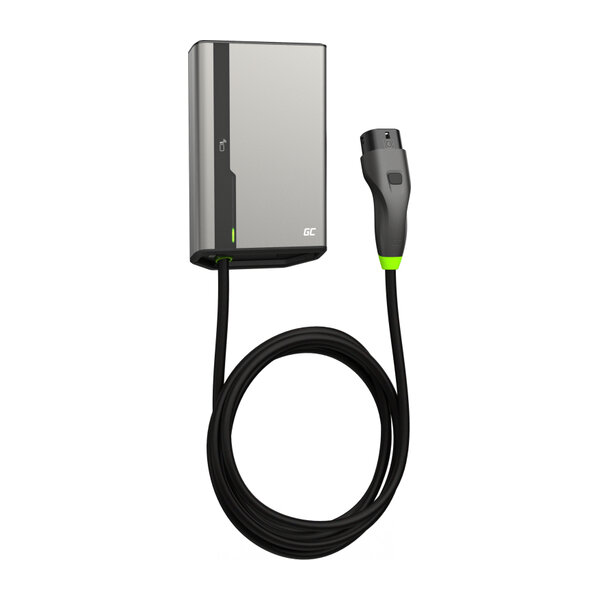
Green Cell HabuDen
from €677
The best-known home wallbox brand from Poland, tested by TÜV Rheinland and the winner of the Fleet Derby 2025 award. It has eight fixed power stages and an app, but neither OCPP nor an API, so no energy manager can steer it. In Poland, look for a wallbox with OCPP if you want solar or dynamic-tariff charging.
- Zerofy connection
- Not possible
- Power
- 3.6–22 kW
- Phase switching
- No, fixed phases
- Connectivity
- Wi-Fi, Bluetooth
- OCPP
- No
- Energy meter
- Internal meter, not MID
- Sold in
No charger matches your search.
All chargers at a glance
The key specs side by side. Click a model to jump to its card.
| Model | Zerofy connection | Price from | Power | 1/3 phases | Connectivity | OCPP | Energy meter | Connector |
|---|---|---|---|---|---|---|---|---|
| Easee Charge Max | Cloud API | €595 | 7.4 / 22 kW | Yes | Wi-Fi, 4G | 1.6J (via Easee cloud) | MID | Type 2 socket |
| go-e Charger Gemini 2.0 | Cloud API | €640 | 11 / 22 kW | Yes | Wi-Fi, 4G | 1.6J | – | Type 2 socket |
| Zaptec Go 2 | Cloud API | €739 | 7.4 / 22 kW | Yes | Wi-Fi, 4G | 1.6J | MID | Type 2 socket |
| Wallbox Pulsar Max | OCPP (app entry) | €649 | 7.4 / 11 / 22 kW | Limited | Wi-Fi, Bluetooth | 1.6J | – | Cable or socket |
| Fronius Wattpilot Flex Home | OCPP (app entry) | €963 | 11 / 22 kW | Yes | Wi-Fi, LAN | 1.6J | Optional | Fixed cable |
| Huawei SCharger 7KS / 22KT | OCPP (app entry) | – | 7.4 / 22 kW | Yes | Wi-Fi, LAN, Bluetooth | 1.6J | – | Type 2 socket |
| BENY BCP smart wallbox | OCPP (app entry) | – | 7.4 / 22 kW | ? | Wi-Fi, Bluetooth | 1.6J | – | Cable or socket |
| Alfen Eve Single S-line | OCPP (installer) | €789 | 3.7–22 kW | Limited | Wi-Fi, LAN, 4G | 1.6J, 2.0.1 | MID | Cable or socket |
| Peblar Home | OCPP (restricted) | €619 | 11 kW (Home Plus 22 kW) | Yes | Wi-Fi, LAN | 1.6J | Optional | Fixed cable |
| Smappee EV Wall | OCPP (restricted) | €899 | 7.4 / 22 kW | Yes | LAN, 4G | 1.6J | MID | Cable or socket |
| Charge Amps Halo | OCPP | €575 | 3.7 / 7.4 / 11 kW | – | Wi-Fi, LAN | 1.6J | – | Fixed cable |
| Elli Charger Connect 2 / Pro 2 | OCPP | €759 | 11 / 22 kW | Yes | Wi-Fi, LAN | 1.6J, 2.0.1 | Optional | Fixed cable |
| ABB Terra AC Wallbox | OCPP (installer) | €699 | 11 / 22 kW | – | Wi-Fi, LAN, Bluetooth, 4G | 1.6J | Optional | Cable or socket |
| KEBA KeContact P40 | OCPP | €1,009 | 7.4 / 11 kW (Pro 22 kW) | Yes | Wi-Fi, LAN, Bluetooth | 1.6J | Optional | Cable or socket |
| MENNEKES AMTRON 4You 500 | OCPP (installer) | €930 | 11 kW | Yes | Wi-Fi, LAN | 1.6J | Optional | Fixed cable |
| Entratek Power Dot Pro 2 | OCPP | €499 | 11 / 22 kW | – | Wi-Fi, Bluetooth | 1.6J | – | Fixed cable |
| enercab smart | OCPP | €763 | 11 kW | Yes | Wi-Fi | 1.6 | – | Mobile, in-cable |
| Sungrow AC22E-01 | OCPP | €699 | 7.4 / 11 / 22 kW | Yes | Wi-Fi, LAN, 4G | 1.6J | Optional | Fixed cable |
| SolaX Smart EV Charger G2 | OCPP | €679 | 7.2 / 11 / 22 kW | Yes | Wi-Fi, LAN, 4G | 1.6J | – | Cable or socket |
| Growatt THOR 11AS / 22AS | OCPP | €645 | 11 / 22 kW | – | Wi-Fi, LAN, 4G | 1.6 | Optional | Cable or socket |
| Autel MaxiCharger AC Wallbox | OCPP | €649 | 7.4 / 11 / 22 kW | – | Wi-Fi, LAN, Bluetooth, 4G | 1.6J | Optional | Cable or socket |
| myenergi zappi | OCPP (via cloud) | €840 | 7 / 22 kW | Yes | Wi-Fi, LAN | 1.6J (via myenergi cloud) | – | Cable or socket |
| Ohme Home Pro | No | €649 | 11 kW (ePod 22 kW) | ? | 4G | – | Optional | Fixed cable |
| Tesla Wall Connector Gen 3 | No | €535 | 7.4 / 11 / 22 kW | – | Wi-Fi | – | Optional | Fixed cable |
| Heidelberg Energy Control Plus | No | €419 | 11 kW | – | Modbus RTU only | – | – | Fixed cable |
| SMA eCharger | No | €1,149 | 22 kW | Yes | Wi-Fi, LAN | – | – | Type 2 socket |
| Victron Energy EV Charging Station NS | No | €422 | 7.3 / 22 kW | – | Wi-Fi, Bluetooth | – | – | Type 2 socket |
| Green Cell HabuDen | No | €677 | 3.6–22 kW | – | Wi-Fi, Bluetooth | – | – | Fixed cable |
Prices in EUR incl. VAT for the cheapest variant, from the manufacturer's shop or typical retail prices in Germany, Austria or the Netherlands, checked October 2026. Installation is not included. We earn no commission on any of these products.
What to know in your country
Rules for installation, grid fees and feed-in differ a lot across Europe, and they decide how much solar and smart charging is worth.
| Country | What matters for your wallbox |
|---|---|
| Germany | §14a EnWG: notify 11 kW, get approval for 22 kWEvery wallbox must be notified to the grid operator, and above 12 kVA (so 22 kW) it needs approval. Wallboxes over 4.2 kW installed since 2024 must be controllable by the grid operator, who may reduce them to no less than 4.2 kW; in return you pay lower grid fees. Since 2025 every supplier must offer a dynamic tariff. There is no federal subsidy for wallboxes at single-family homes. |
| Austria | Notify from 3.68 kVA, check your grid operatorChargers from 3.68 kVA must be notified, and above about 12 kW the grid operator may cap or refuse the connection. The federal subsidy for private wallboxes closed in spring 2026 when its budget ran out; some states still pay. Smart meters have a customer interface that shows your live solar surplus. |
| Switzerland | Approval above 11 kW, low summer feed-in pricesYour electrician files a connection request and an installation notice, and above 11 kW the grid operator must approve. Since 2026 solar feed-in is paid at the quarterly market reference price, which is low in summer, so charging from your own roof pays off. vZEV and local electricity communities (LEG) let you share solar with neighbours. |
| Netherlands | Net metering ends on 1 January 2027Once the salderingsregeling ends, exported solar earns much less, so charging your car on your own surplus becomes far more valuable. 3×25 A is the standard connection, and a heavier one can mean a long wait in congested areas. About 8% of households already have a dynamic contract. Since 2026 home charging can earn ERE emission credits, which requires a MID meter. |
| Belgium | Capacity tariff in Flanders, many 3×230 V gridsIn Flanders your grid fee depends on your highest quarter-hour peak each month, so spreading charging over time saves money. Many older homes have a 3×230 V grid without neutral, where most cars charge on one phase only (up to 7.4 kW); Easee and Zaptec support these grids. Since 2026 Wallonia has a daytime off-peak window from 11:00 to 17:00. |
| Poland | Net-billing: self-consumption pays mostExported solar is credited at its market value, for newer prosumers at hourly prices, so charging your car on your own surplus is worth more than feeding it in. There is no national wallbox subsidy in 2026. Suppliers with at least 200,000 customers must offer dynamic tariffs, which need a remotely read meter. |
| Sweden | 50% tax deduction for a home chargerLabour and materials for a fixed home charge point qualify for the green technology deduction (grön teknik) of 50%, up to SEK 50,000 per person per year across all green technology items. |
| Norway | Mostly 230 V IT gridsMost Norwegian homes have a 230 V IT grid, where car makers advise single-phase charging (up to 7.4 kW). Pick a charger approved for IT grids, such as Easee or Zaptec. |
| Estonia | Spot prices are part of daily lifeAlmost every household has a remotely read meter, and exchange-price contracts are widely offered, so charging in the cheapest hours with Zerofy's Smart mode pays off directly. |
Solar and smart charging without extra hardware
Zerofy is a cloud energy manager, so there is no box to install in your fuse cabinet. It combines your charger with your inverter, battery, smart meter and car, and Autopilot decides when and how fast to charge.
- Charge on surplus solar, with automatic phase switching on Easee, go-e and Zaptec
- Charge in the cheapest hours of your dynamic tariff with Smart mode
- One app for 7 native charger brands, any open OCPP charger and over 80 other device brands
Frequently asked questions
Which EV chargers work with Zerofy?
Zerofy has native integrations for Easee, go-e and Zaptec (cloud API) and guided OCPP setups for Wallbox, Fronius Wattpilot, Huawei SCharger and BENY. On top of that, any charger that speaks OCPP 1.6J and lets you enter your own backend address can be added as a generic OCPP charger, for example Alfen, ABB, KEBA, Elli, MENNEKES, Sungrow, SolaX, Growatt, Autel and myenergi zappi. If your charger is closed, Zerofy can often steer charging through the car instead, for many car brands including Tesla.
What is the difference between a native integration and OCPP?
With a native cloud integration you simply log in with your manufacturer account, and Zerofy reads the charger and controls it through the manufacturer's cloud, including phase switching on Easee, go-e and Zaptec. With OCPP the charger connects directly to Zerofy. That also applies to Wallbox, Fronius Wattpilot, Huawei SCharger and BENY: they have their own entry in the app, but the connection itself runs via OCPP. Zerofy can then start and stop charging, set the current and read the meter, but phase switching is not available over OCPP. For solar charging on three phases this means a start threshold of about 4.1 kW.
Can I use Zerofy and my employer's charging backend at the same time?
Usually not. Most wallboxes accept only one OCPP backend, and the backend that bills your employer is often configured by a fleet or charging card provider. Ask them before you change the backend address. With a native cloud integration (Easee, go-e, Zaptec) this conflict does not arise, because Zerofy uses the manufacturer's cloud rather than OCPP.
Do I need automatic 1/3-phase switching?
It depends on your solar system. A car needs at least 6 A per phase to charge: on one phase that is about 1.4 kW, on three phases about 4.1 kW. With 3-phase-only charging, a 6 kWp system rarely produces enough surplus outside summer. With phase switching the car starts charging from about 1.4 kW of surplus and moves to three phases when the sun is strong. Note that some cars pause briefly or need a few seconds to adapt when phases change.
Should I buy an 11 kW or a 22 kW wallbox?
For most homes 11 kW is the right choice. Most electric cars charge on AC with at most 11 kW, an 11 kW charger refills about 50 km of range per hour, and in Germany, Austria and Switzerland 22 kW needs approval from the grid operator. A 22 kW charger makes sense only if your car supports it and your connection allows it. You can usually limit a 22 kW charger to 11 kW.
Do I need a MID-certified meter?
For a private car, no. In Germany, employers have to reimburse home charging of company cars per kWh from 2026, and a separate meter is required for that; a MID meter is the safe choice, but check with your employer. In the Netherlands, earning ERE emission credits for home charging requires a MID meter. Billing other people, for example tenants, in Germany needs an Eichrecht-compliant charger.
My charger is not in this list. How do I know if it works with Zerofy?
Look in the manual or the charger app for a setting called OCPP, OCPP server, backend, central system or CSMS. If you can enter your own address there, your charger very likely works with Zerofy as a generic OCPP charger. If the backend can only be chosen from a fixed list or only through the manufacturer's support, ask them to add Zerofy's address. You can try it for free in the Zerofy app.
Which charger should I buy for solar charging?
If you want the simplest setup with phase switching: Easee, go-e or Zaptec, which Zerofy controls natively through the cloud. If you already have a Fronius, Huawei or Sungrow inverter, the matching wallbox fits nicely into that system and still works with Zerofy via OCPP. In Belgium or Norway on a 3×230 V grid, Easee and Zaptec are the safe choices. On a tight budget, pick any wallbox with open OCPP, such as Autel or Growatt, and avoid closed systems if you want to stay independent of one manufacturer.
Product names and trademarks belong to their owners. Specifications come from the manufacturers' websites, data sheets and support pages (October 2026) and can change with new firmware. Check the details with the manufacturer or your installer before buying.